

Static vs Dynamic QR Codes: Which One Do You Actually Need?
Not all QR codes are the same under the hood. Picking the wrong type can mean reprinting everything later.
Static QR codes: simple and permanent
A static QR code encodes your content — a URL, text, WiFi credentials, contact card — directly into the pattern itself. It never needs a server to work, never expires, and is free to generate in unlimited quantities.
The tradeoff: once printed, the content can never change. If the destination link changes, the QR code becomes outdated and needs to be reprinted.
Dynamic QR codes: flexible and trackable
A dynamic QR code instead points to a short redirect URL that you control. That means you can change where it leads at any time, without reprinting anything — and because the scan passes through a server, you can track how many times it's been scanned.
This is the right choice for link lists, restaurant menus, PDFs, business profiles, and any campaign you might want to update or measure.
Quick decision guide
Use static for: WiFi passwords, vCards, plain text, phone numbers, one-time event links.
Use dynamic for: restaurant menus, link-in-bio pages, PDFs and brochures you'll update, anything you want scan analytics on.
You can mix both
Most businesses end up using a mix — static codes for stable, permanent information and dynamic codes for anything that might change or that they want to measure. FreeOnlineQR supports both, so you're never locked into one approach.


Comments (0)
No comments yet — be the first.
Related reading
 QR Codes for Retail: Packaging, Shelf Tags & Displays5 min read
 QR Codes for Real Estate: Listings, Open Houses, and Yard Signs5 min read
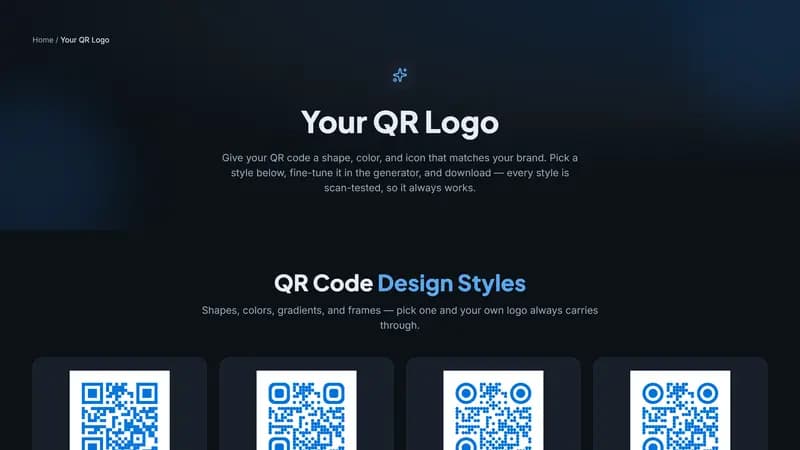 Custom QR Code Design: Rounded, Dotted, and Framed Styles Explained5 min read
 QR Codes for Payments: PayPal, UPI, and Crypto Explained6 min read
 QR Code Coupons: Digital Discounts Without an App4 min read